Naples has never drawn a hard line between this world and the next. Saints are asked for favours, the dead are visited like neighbours, and a little red horn in your pocket keeps bad luck away. Walk the old centre with someone who knows its stories and you start to see a second city layered over the first: full of spirits, secrets and legends that Neapolitans tell with a smile and only half a wink.
Here are some of the mysteries Ines loves to share.
The house spiritsThe Munaciello and the Bella 'Mbriana
Every Neapolitan knows the Munaciello, the "little monk": a small figure in a hooded habit who slips in and out of houses. When he likes you, coins turn up in odd corners. When he doesn't, keys vanish and plates fall off shelves.
One explanation is wonderfully practical. For centuries the city drew its water from a vast network of underground cisterns, looked after by the pozzari, the well-keepers, who moved through the tunnels and could climb up the shafts into people's homes. A short, hooded figure appearing from nowhere, leaving a gift or helping himself: it is easy to see how a legend was born.
He has a gentler companion, the Bella 'Mbriana, a beautiful spirit who protects the home. Some Neapolitans still greet her when they come in, and never say a bad word about the house in case she hears and leaves.
The alchemist princeRaimondo di Sangro and the Veiled Christ
In the eighteenth century, the Prince of Sansevero, Raimondo di Sangro, filled his palace on Piazza San Domenico Maggiore with laboratories. He was an inventor, a scientist, a Freemason and, the city whispered, an alchemist. Lights burned late; strange smells drifted into the square; people crossed themselves as they passed.
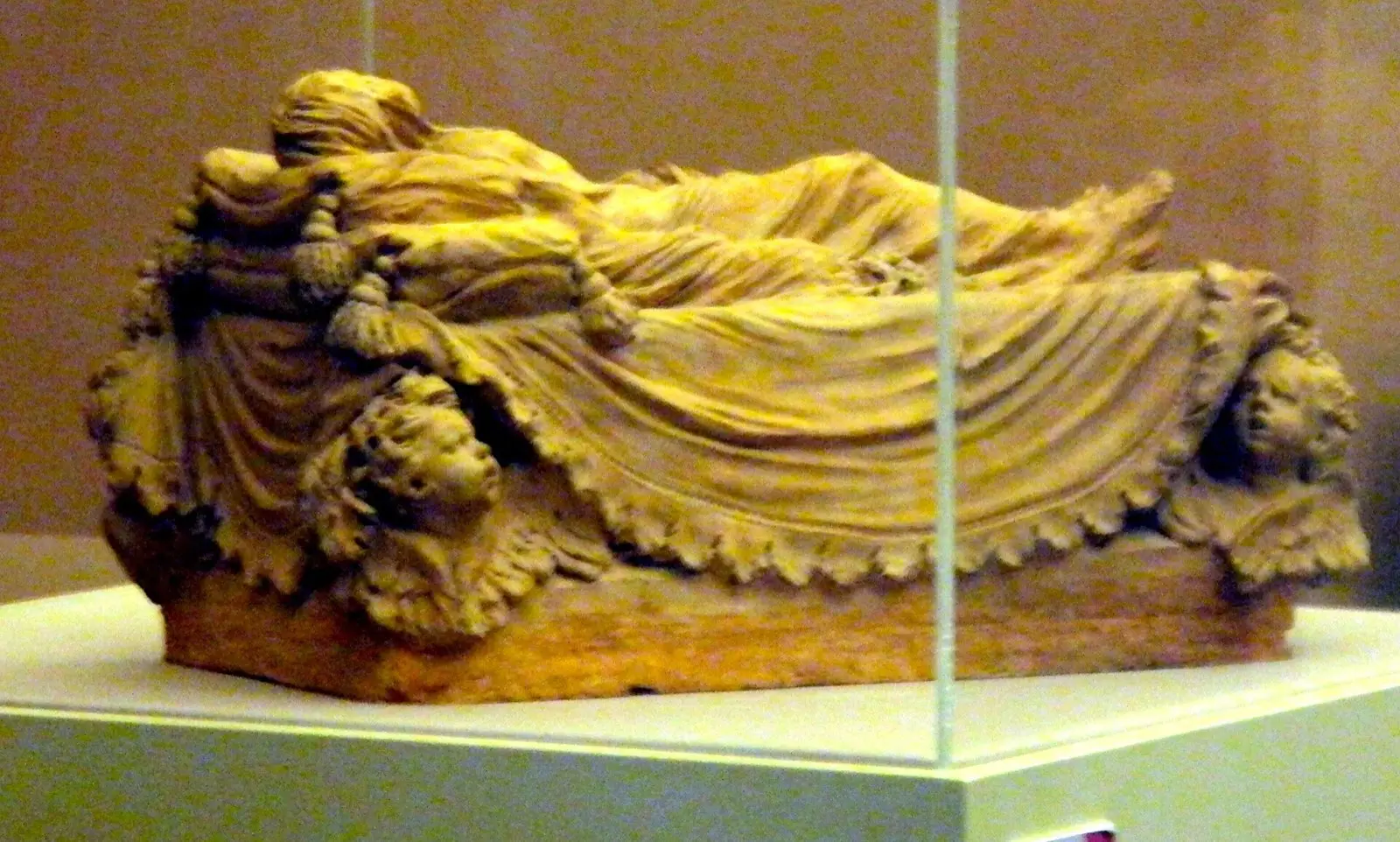
His family chapel, the Cappella Sansevero, holds one of the most astonishing sculptures in the world: the Veiled Christ by Giuseppe Sanmartino, finished in 1753. The veil over the body looks so thin and soft that a legend grew up that the prince had turned real cloth to marble with an alchemical recipe. In truth it was carved from a single block, which is somehow even more extraordinary.
Downstairs, in the crypt, wait the prince's two "anatomical machines": human skeletons wrapped in a fine web of veins and arteries. How they were made is still debated, which suits the prince's legend perfectly.
Purgatorio ad ArcoLucia and the adopted skulls
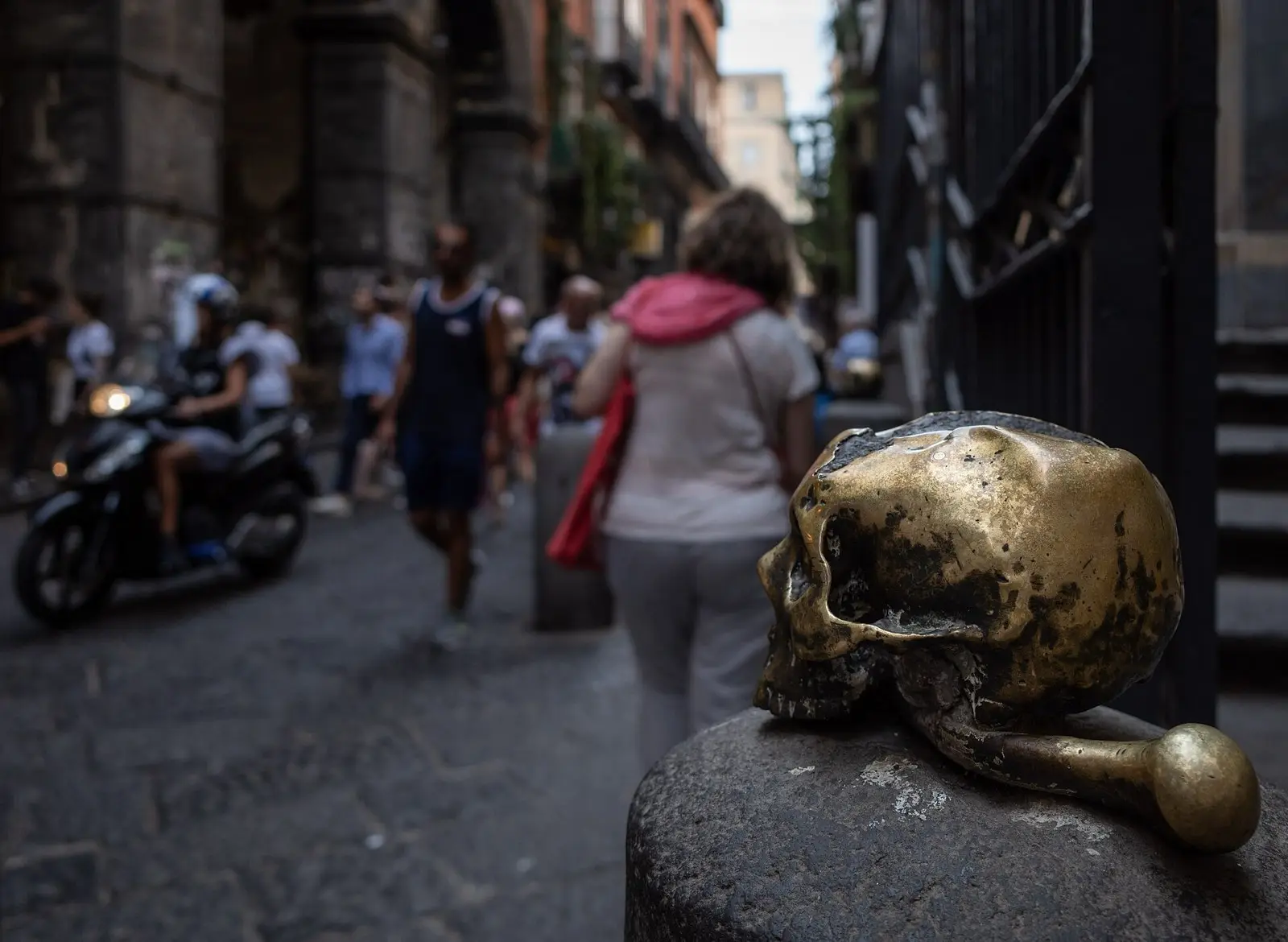
On Via dei Tribunali, bronze skulls stand guard outside the church of Santa Maria delle Anime del Purgatorio ad Arco. Their tops shine gold: passers-by touch them for luck.
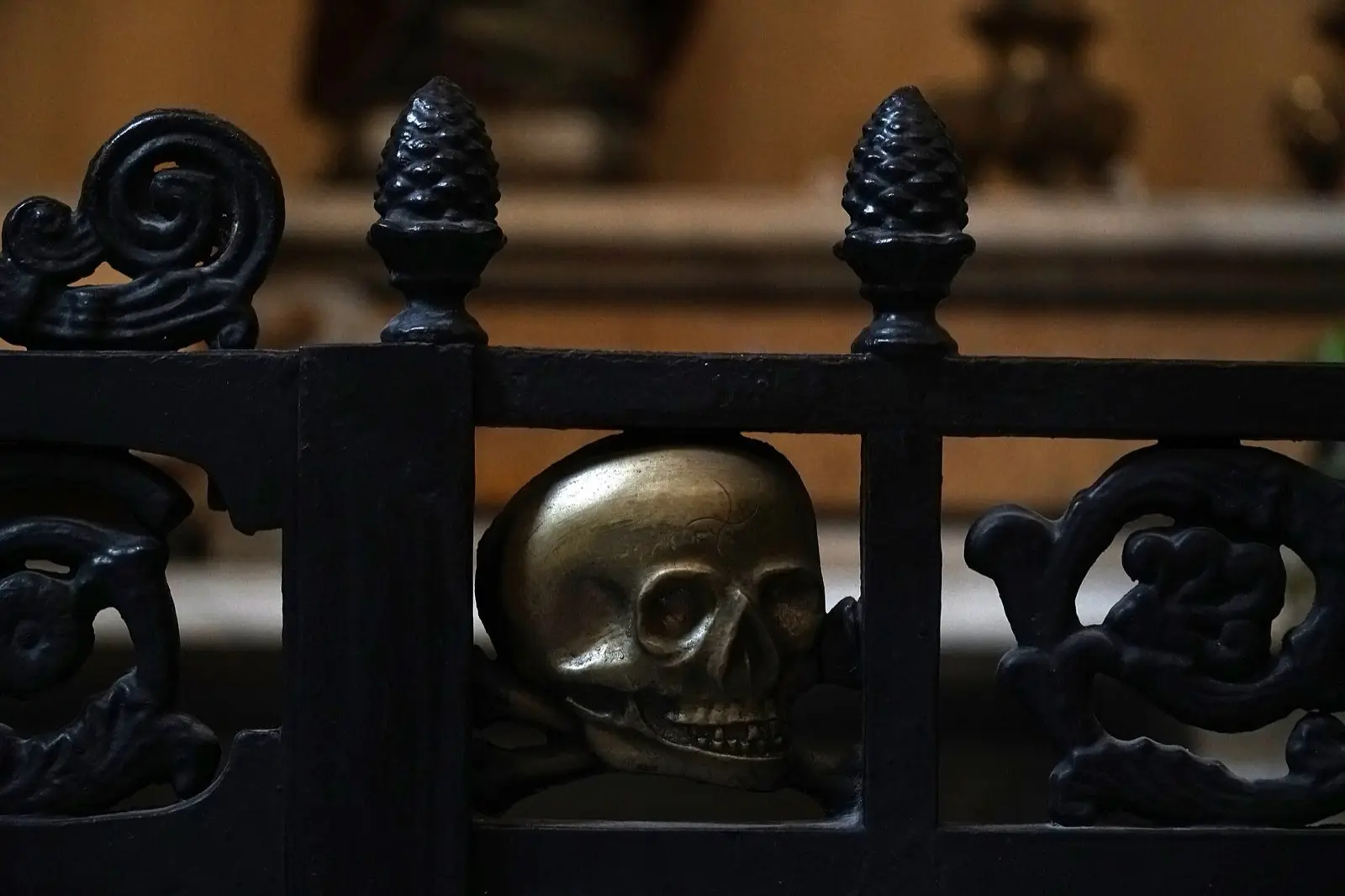
Below the church lies a crypt where, for generations, Neapolitans cared for the bones of forgotten souls. They would "adopt" a skull, clean it, give it a name, bring flowers and ask for help in return. The most famous is Lucia, said to be a young bride who died before her time. She wears a veil and a crown, and to this day people leave her notes and tokens, asking for love.
If this tradition moves you, the Fontanelle cemetery tells the same story on a vast scale.
Palazzo PenneA palace built by the devil
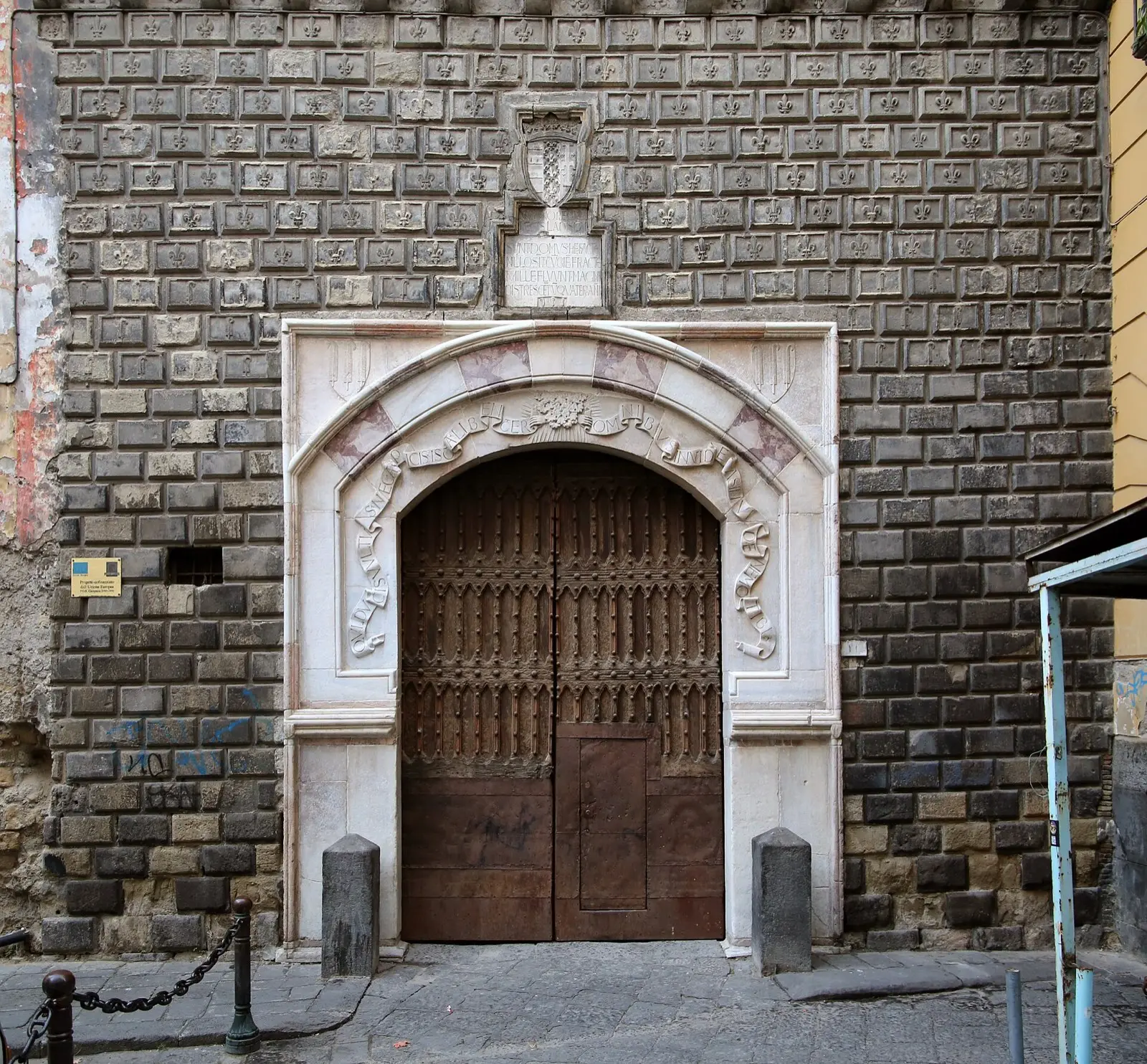
In a quiet corner of the old town stands Palazzo Penne, built in 1406 for Antonio Penne, secretary to the king. Look at its doorway: carved feathers (penne) and a scroll that seems to warn off the envious.
Legend tells it differently. Penne, desperate to win a woman's heart, wanted a palace overnight and made a pact with the devil, offering his soul in exchange. The palace rose by morning. But when the devil came to collect, Penne scattered a sack of grain on the ground and set one condition: the devil must count every grain first. Furious and outwitted, the devil vanished into the earth, and Penne kept his soul.
In Naples even the devil gets outwitted. Usually by someone who knows the rules better than he does.
Gesù NuovoThe stones that hold a secret
The church of the Gesù Nuovo wears an unusual coat: a facade of pointed, diamond-cut stones, inherited from the palace it once was. Look closely and some stones carry small carved marks.
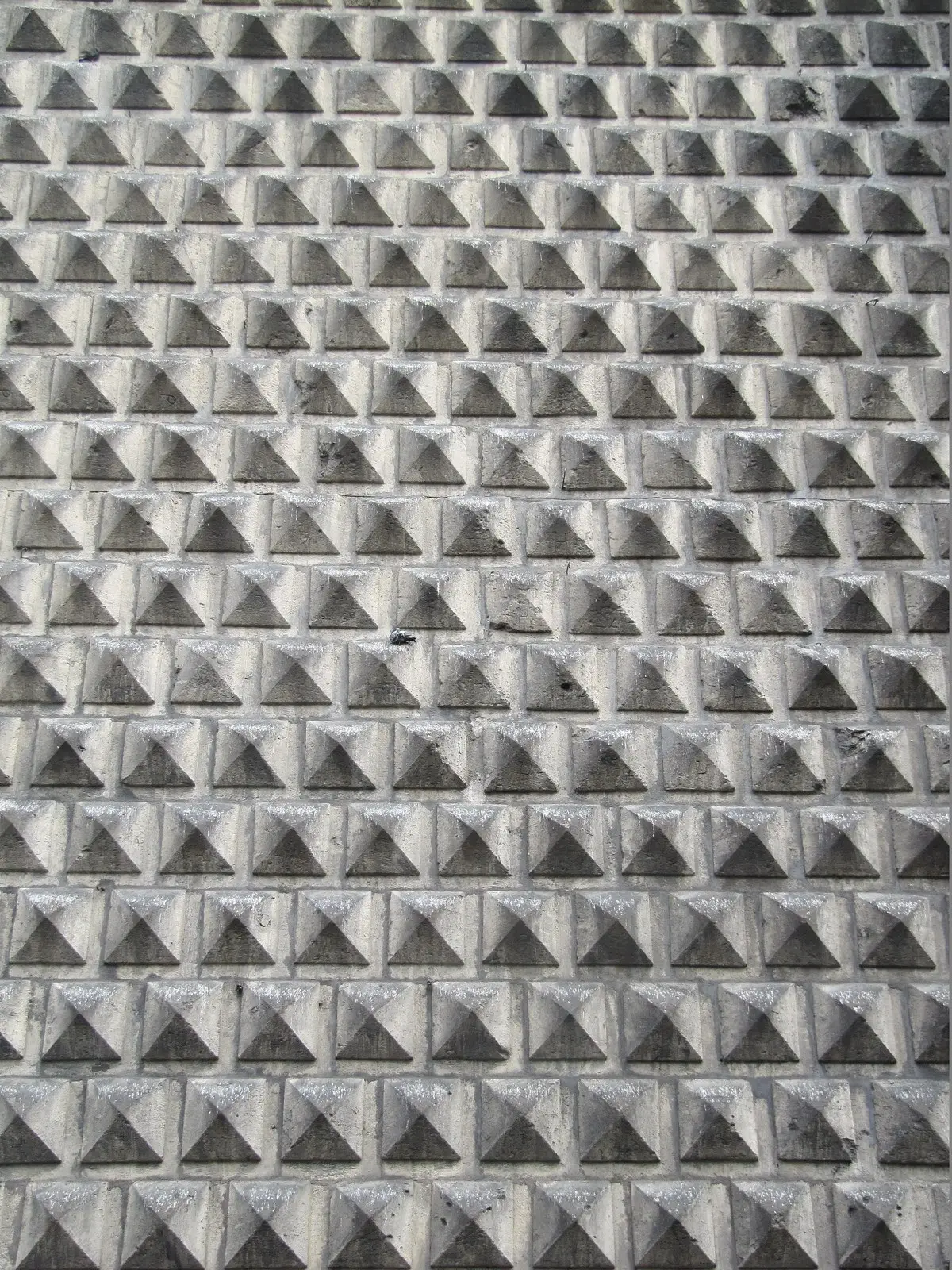
One old story says they were meant to draw good energy into the palace but were set the wrong way round, bringing misfortune to its owners instead. A more recent theory reads the marks as musical notation: a whole score written in stone, waiting to be played. Nobody quite agrees. Stand in Piazza del Gesù, look up and decide for yourself.
Royal ghostsThe queens of Castel Nuovo
Naples had two queens called Giovanna, and legend has been busy with both. The first was murdered in 1382, and stories say her restless spirit still wanders. The second was rumoured to keep a long list of lovers, and the most lurid tale claims that those who fell out of favour were sent to a dungeon under Castel Nuovo, where a crocodile was waiting. Historians raise an eyebrow. Neapolitans tell it anyway, preferably at dusk, in sight of the castle.
Santa Maria la NovaIs Dracula buried in Naples?
In the cloister of Santa Maria la Nova lies the tomb of Count Matteo Ferrillo, carved with a dragon and strange symbols. A few years ago a theory went round the world that it might connect to Vlad the Impaler, the real Dracula, through his daughter. Most historians are sceptical. But stand before that dragon in the half-light of the cloister and it is easy to see why the story caught on.
La SmorfiaDreams into numbers
Finally, a tradition you can take home. La Smorfia is the Neapolitan book of dreams, which turns everything you might dream about into a number from 1 to 90 to play in the lottery. Dreamt of a fish, a wedding or a dead relative? There is a number for it. Tell Ines your dream over coffee and she'll tell you what the city would bet on.
Mysterious Naples with Ines
These stories live in the streets of the historic centre, a few minutes' walk from one another, which makes them perfect for a slow afternoon that drifts into evening. Ines tells them the way Neapolitans do, with affection and a raised eyebrow, and weaves them in with the coffee bars, workshops and piazzas of the living city. For more ideas, see six private days in Naples and the hidden gems of Naples.
Questions people ask
Can you visit the Veiled Christ?
Yes. It is in the Cappella Sansevero, a museum in the historic centre. Tickets are sold for timed entry and it is wise to book ahead; photography is not allowed inside.
Is esoteric Naples scary?
Not really. These are stories told with warmth and humour, and the places are churches, palaces and piazzas. The crypts are atmospheric rather than frightening, though some visitors prefer to skip the skulls.
Is it suitable for children?
Older children usually love the legends of the Munaciello, the devil and the crocodile. Ines can shape the stories and stops to suit your family.
When is the best time?
Late afternoon into early evening, when the old streets fill with life and the light turns golden. Check opening times for the chapels and crypts, which can be limited.
Ines is your host: she welcomes you to her city and helps you live it. Want to see it with her?
Plan your day with Ines